
Plant-Based DBT
A grounded, experiential approach to teaching Dialectical Behavior Therapy skills.
with Kristen Shuler, LCSW
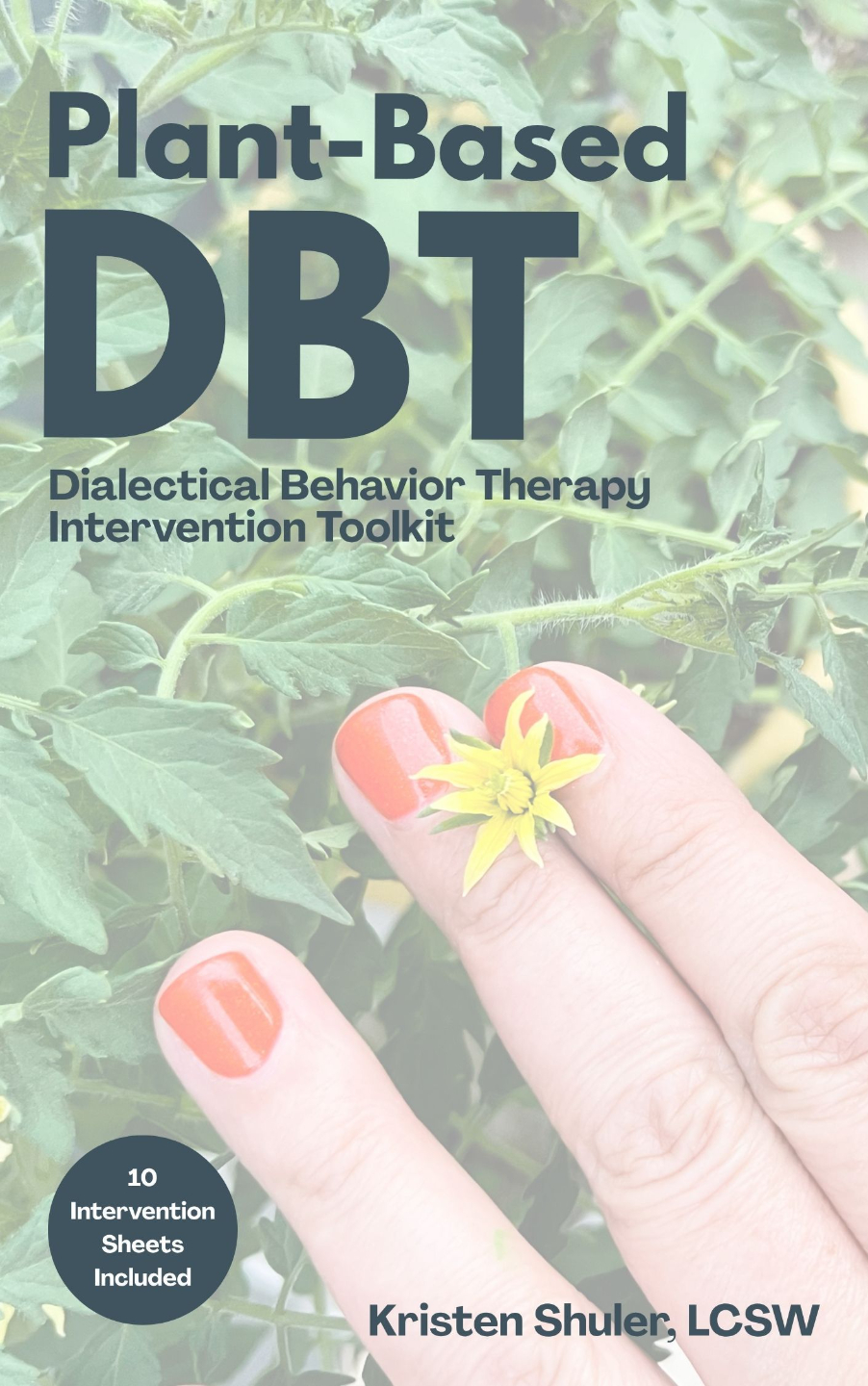
Grab Your Free Intervention Toolkit
Therapeutic Horticulture interventions for teaching DBT skills in a hands-on and experiential way.
Download HereWelcome to Plant-Based DBT
Plant-Based DBT is a curriculum and training platform created by Kristen Shuler, LCSW, for therapists who want to integrate Therapeutic Horticulture into clinical practice with more structure, creativity, and confidence.
This collection includes therapist trainings, consultation, intervention tools, and curriculum resources designed to help clinicians teach DBT skills through hands-on, experiential activities.
Through Therapeutic Horticulture, abstract concepts like mindfulness, distress tolerance, emotion regulation, interpersonal effectiveness, and behavior change become more visible, memorable, and easier to practice.
Plant-Based DBT Clinical Trainings
Plant-Based Mindfulness
This immersive clinical training bridges Therapeutic Horticulture and DBT-based mindfulness to provide clinicians with structured, sensory-based interventions that support nervous system regulation in session.
Plant-Based Emotion Regulation
An experiential workshop focused on teaching emotion regulation through Therapeutic Horticulture. Introduces sensory-based strategies that support emotion ID and nervous system regulation.
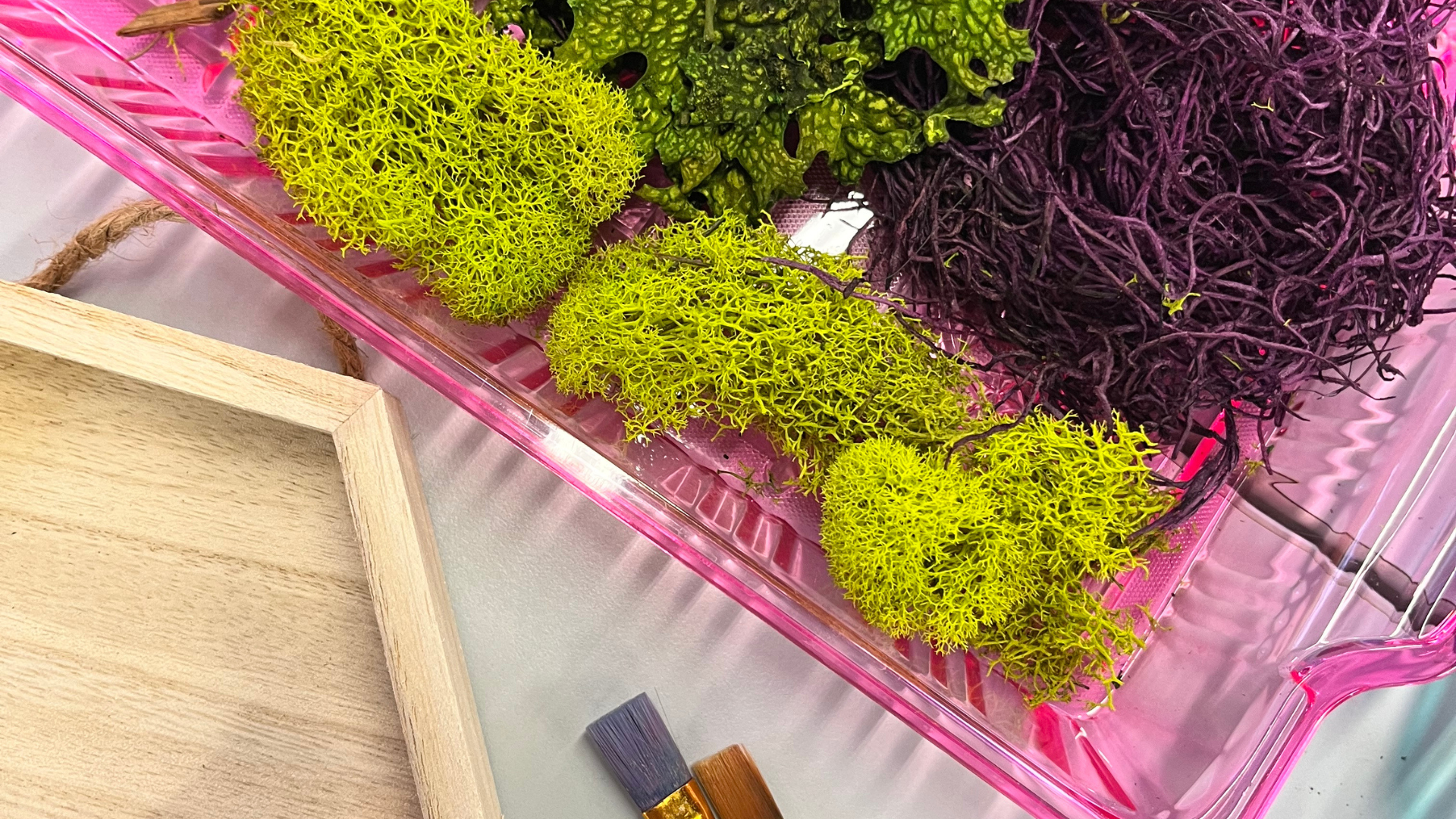
ADHD Coping with Houseplants
This hands-on workshop is for therapists who teach coping skills to clients with ADHD. Learn how plants can become a way to explore executive functioning, emotion regulation, task initiation, and follow-through.
Plant-Based Therapy Tools
A growing collection of therapeutic horticulture-based intervention toolkits designed to help therapists teach DBT skills through experiential, sensory-focused activities.
This curriculum combines DBT skills with plant-based activities to teach mindfulness, emotional regulation, distress tolerance, and interpersonal skills somatically.
One-on-one and group consultation opportunities for therapists who want support integrating Therapeutic Horticulture into their existing therapy practice.
Plant-Based Mindfulness
Plant-based mindfulness does not need to be complicated, expensive, or dependent on plant expertise. Simple materials like recycled jars, soil, stones, moss, leaves, and other found natural objects can become meaningful tools for helping clients practice mindfulness in session. The process of gathering, noticing, arranging, and creating invites clients to slow down and return to the present moment through texture, color, movement, and choice.
In this type of intervention, the terrarium is not the “point” as much as the practice of building it. Clients are invited to pay attention on purpose, one thing at a time, while engaging their hands and senses. This can support grounding, reduce over-reliance on verbal processing, and make mindfulness feel more accessible, especially for clients who struggle with traditional seated practices.
Free Resources for Therapists
Not sure where to begin with plant-based DBT or therapeutic horticulture?
This resource library is a place to explore the possibilities. You’ll find simple, clinically grounded ideas for using plants and natural materials to teach mindfulness, emotion regulation, distress tolerance, and other DBT skills in therapy sessions and groups.
These resources are meant to help you see what’s possible — and to give you practical starting points you can adapt to your own clinical setting.
When you’re ready for more structure, you can move from inspiration to implementation through the full collection of Plant-Based DBT Intervention Toolkits, the Plant-Based Skills Group Curriculum, or consultation for therapists who want support bringing therapeutic horticulture into their skills training work.
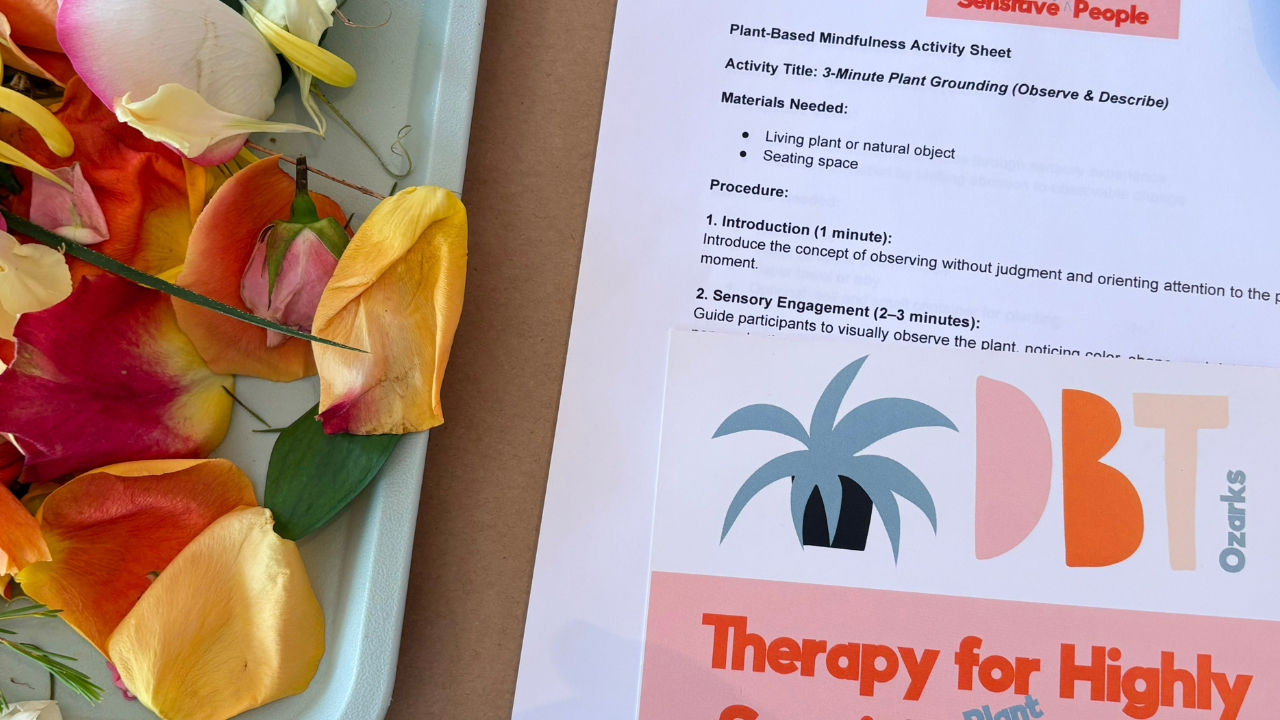
Free Intervention Sheets
Download simple, ready-to-use plant-based intervention sheets that connect hands-on activities with DBT skills, mindfulness, grounding, and experiential learning.
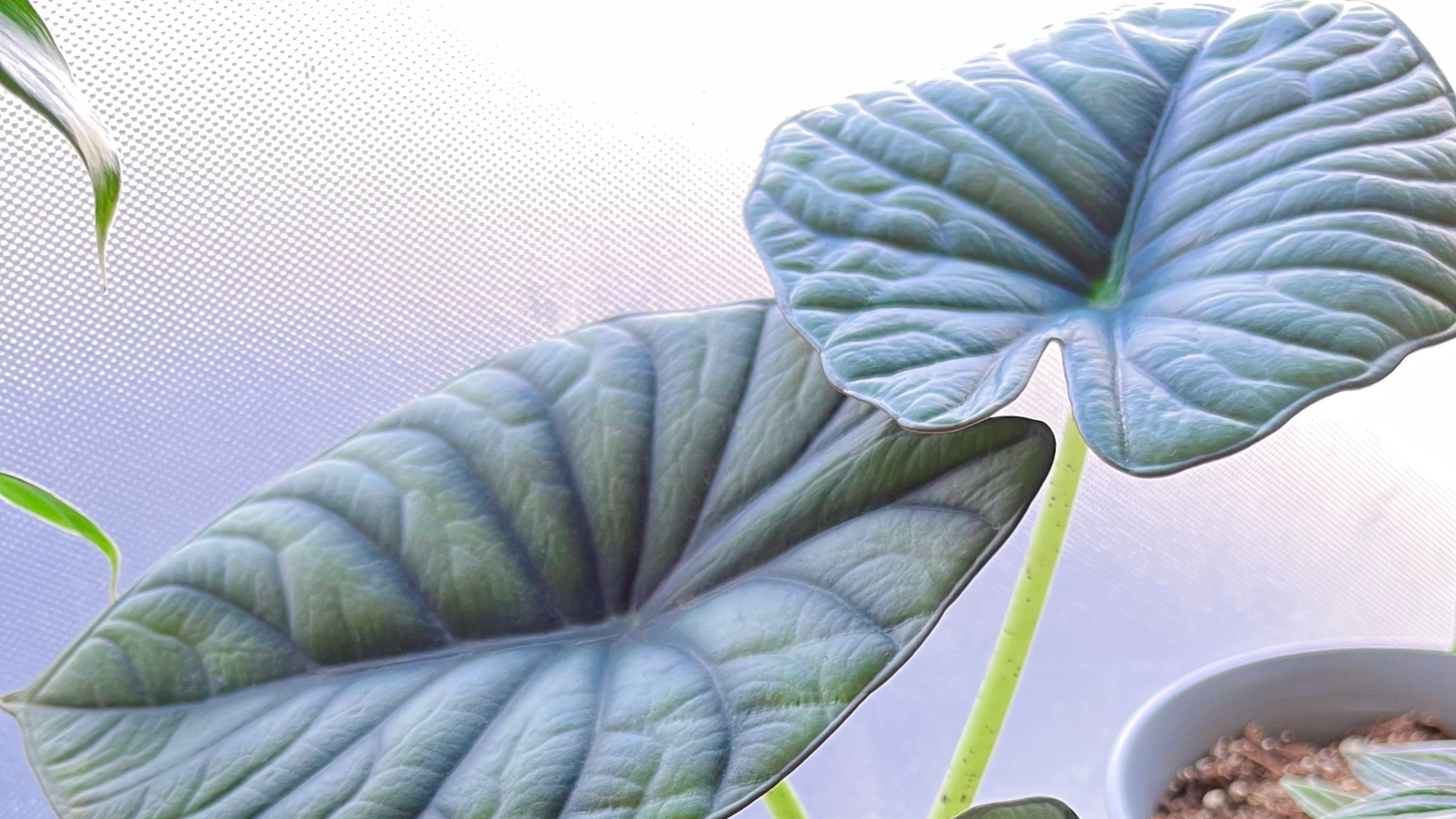
Guide to Getting Started
An introduction to using Therapeutic Horticulture activities as a DBT teaching tool, including clinical intention, scope considerations, setup tips, and ways to begin.
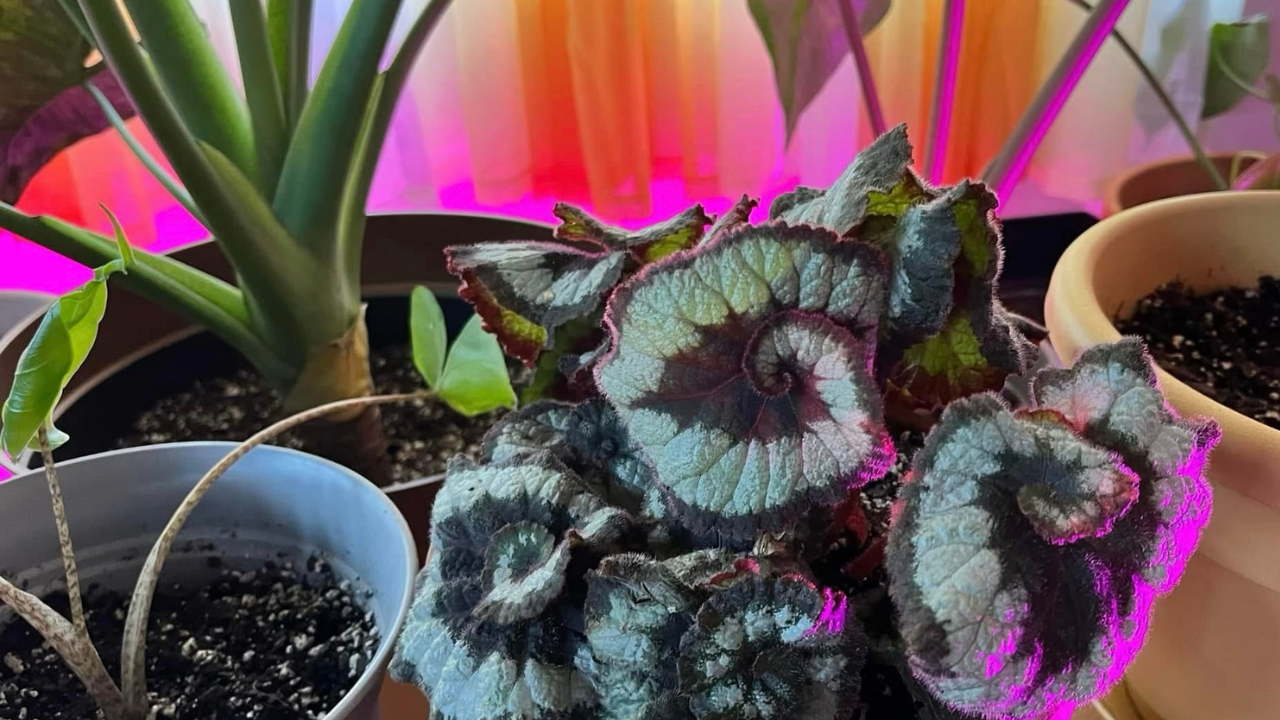
Plant Activity + Skill Match Chart
Matches common plant activities with DBT skills, helping therapists choose interventions for mindfulness, distress tolerance, emotion regulation, and interpersonal skills.
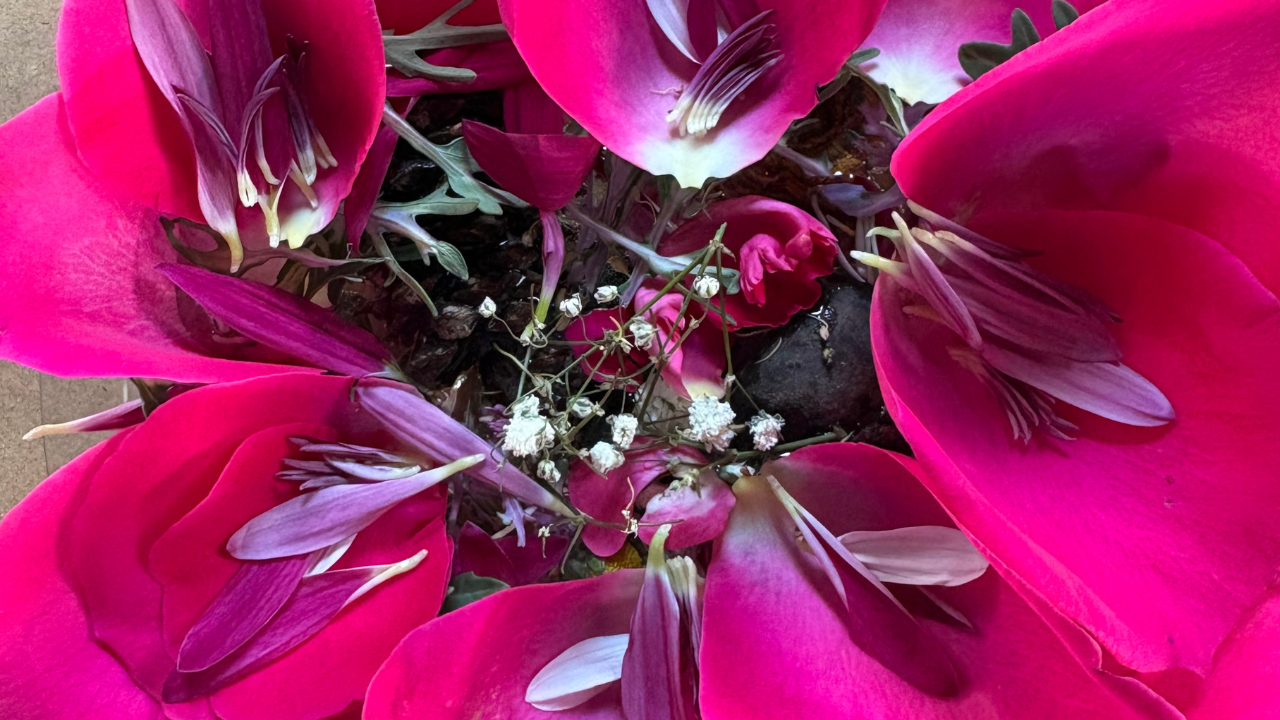
Ethics of Plant-Based DBT
Guide to using plant-based interventions responsibly, including scope, accessibility, allergies, sensory needs, clinical framing, and fidelity preservation.
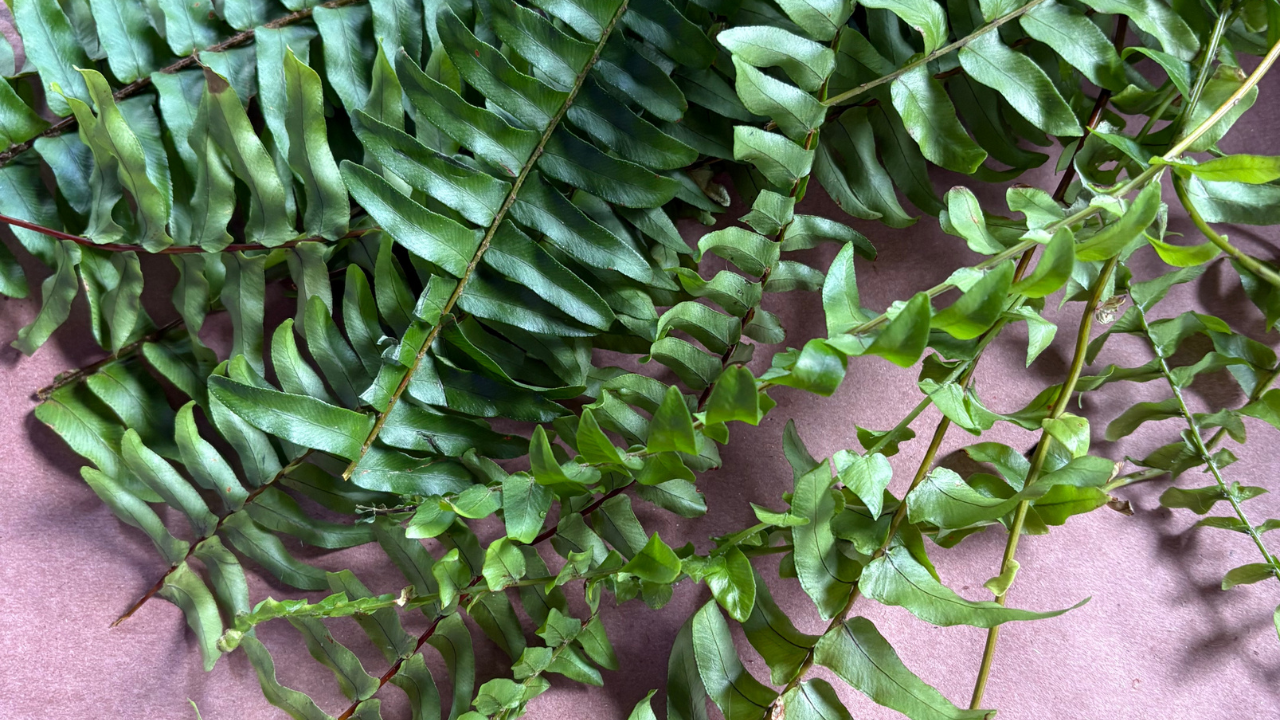
A Guide to Soft Fascination
What it is, why it matters for mindfulness and attention restoration, and how plant-based activities can help clients practice present-moment awareness.
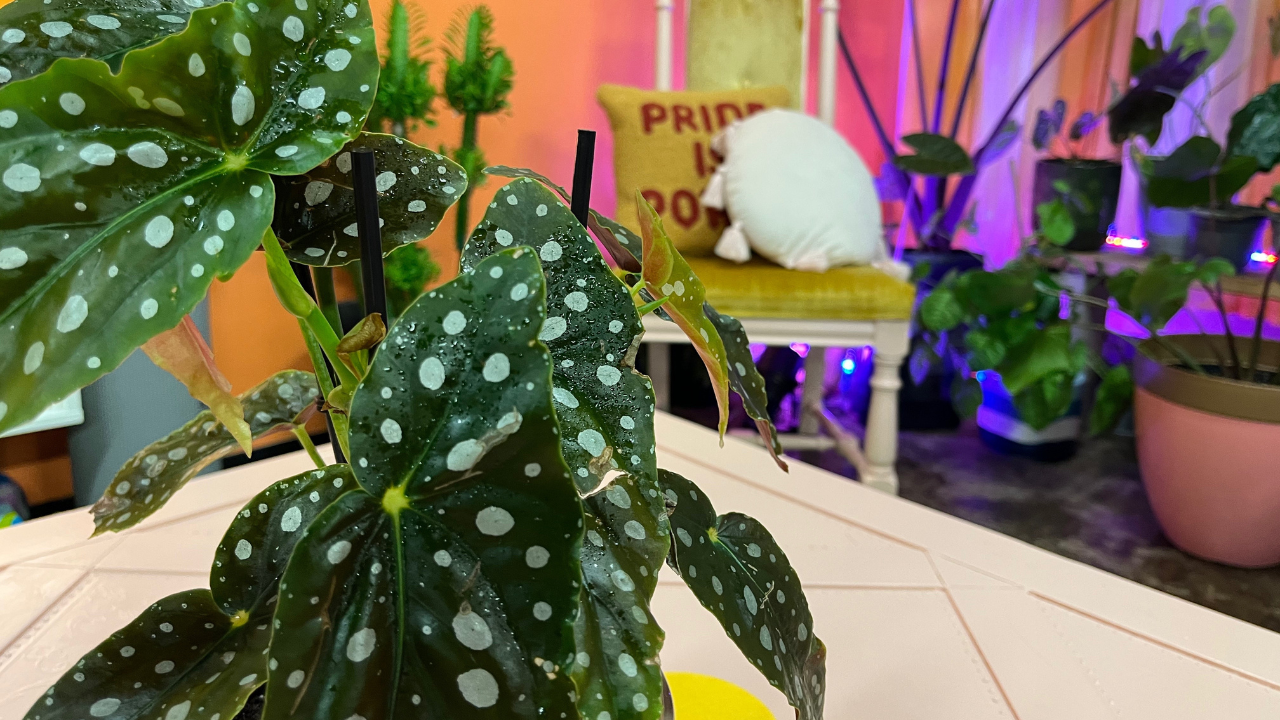
Tour a DBT + Plant Group Room
Meet Kristen
Kristen Shuler, LCSW is a DBT therapist, clinical trainer, group facilitator, and Horticultural Therapy student who is passionate about helping therapists make skills training more experiential, accessible, and alive.
Kristen is the founder of DBT Ozarks and has years of experience developing and leading DBT skills groups, therapist trainings, consultation spaces, and experiential clinical programming. For the past four years, she has facilitated a Plant Therapy DBT Skills group, using plant-based activities to help clients practice mindfulness, distress tolerance, emotion regulation, and behavior change.